
Preservação da Amazônia e fortalecimento das culturas indígenas
Guardiões da Floresta: Protegendo Saberes e Territórios
O Instituto Guardiões da Floresta é uma organização não governamental, voltada para a preservação da Amazônia e o fortalecimento da cultura tradicional dos povos que nela habitam.
O objetivo do IGF é auxiliar na preservação e valorização dessas culturas, que com um vasto conhecimento do ecossistema amazônico, vivem há milhares de anos em integração com a natureza, como guardiões desse precioso patrimônio da humanidade.
O IGF busca dar condições para que estes povos, além de perpetuar as tradições e saberes dos seus antepassados, possam também continuar a desenvolver suas pesquisas, aprofundando seus estudos e proporcionando um desenvolvimento integrado com as ciências naturais e humanas.
Atualmente desenvolvemos projetos relacionados a salvaguarda da memória imaterial destes povos. Desde sua fundação em 2010, o IGF atende as etnias que habitam na floresta. O Instituto tem como princípio contribuir para que sejam atendidas as necessidades reais destes povos, viabilizando projetos demandados pelas próprias comunidades, em estreita parceria com as lideranças indígenas, cooperativas e associações de base, por meio de uma relação que vem sendo construída ao longo de onze anos entre os membros do IGF e os povos indígenas.
Uma trajetória de intercâmbio cultural e preservação da floresta
história, Raízes e Conquistas
Held in the village of the Kuntanawa people, on the Tejo River, between July 26 and 31, 2010, with the support of the Secretary of Identity and Cultural Diversity of the Ministry of Culture.
The Festival brought together, for the first time, representatives from 13 ethnic groups of the Pano linguistic trunk of the state of Acre, with the intention of strengthening the expressions of traditional culture, and also to discuss with the indigenous leaders present the issues that affect the lives of these people.
During the festival, there was an articulation and mobilization among the various ethnic groups in favor of a greater cultural exchange and strengthening of ties, stimulating the exchange of knowledge (stories, body paintings, dances, games, sacred songs, handicrafts, medicinal plants), and the political structuring of the Pano linguistic trunk, aiming at the appreciation and perpetuation of the culture of these people by themselves. This festival was sponsored by the Ministry of Culture
2010 - 1st Pano Gathering Cultural Festival- Acre
Held in the village of the Kuntanawa people, on the Tejo River, between July 26 and 31, 2010, with the support of the Secretary of Identity and Cultural Diversity of the Ministry of Culture.
The Festival brought together, for the first time, representatives from 13 ethnic groups of the Pano linguistic trunk of the state of Acre, with the intention of strengthening the expressions of traditional culture, and also to discuss with the indigenous leaders present the issues that affect the lives of these people.
During the festival, there was an articulation and mobilization among the various ethnic groups in favor of a greater cultural exchange and strengthening of ties, stimulating the exchange of knowledge (stories, body paintings, dances, games, sacred songs, handicrafts, medicinal plants), and the political structuring of the Pano linguistic trunk, aiming at the appreciation and perpetuation of the culture of these people by themselves. This festival was sponsored by the Ministry of Culture
2010 - 1st Meeting of Pano Indigenous Leaderships - Acre
Held in the village of the Kuntanawa people, on the Tejo River, between July 26 and 31, 2010, with the support of the Secretary of Identity and Cultural Diversity of the Ministry of Culture.
The Festival brought together, for the first time, representatives from 13 ethnic groups of the Pano linguistic trunk of the state of Acre, with the intention of strengthening the expressions of traditional culture, and also to discuss with the indigenous leaders present the issues that affect the lives of these people.
During the festival, there was an articulation and mobilization among the various ethnic groups in favor of a greater cultural exchange and strengthening of ties, stimulating the exchange of knowledge (stories, body paintings, dances, games, sacred songs, handicrafts, medicinal plants), and the political structuring of the Pano linguistic trunk, aiming at the appreciation and perpetuation of the culture of these people by themselves. This festival was sponsored by the Ministry of Culture
2011 - Cultural Meeting of the Ayahuasca Diversity
Held in the village of the Kuntanawa people, on the Tejo River, between July 26 and 31, 2010, with the support of the Secretary of Identity and Cultural Diversity of the Ministry of Culture.
The Festival brought together, for the first time, representatives from 13 ethnic groups of the Pano linguistic trunk of the state of Acre, with the intention of strengthening the expressions of traditional culture, and also to discuss with the indigenous leaders present the issues that affect the lives of these people.
During the festival, there was an articulation and mobilization among the various ethnic groups in favor of a greater cultural exchange and strengthening of ties, stimulating the exchange of knowledge (stories, body paintings, dances, games, sacred songs, handicrafts, medicinal plants), and the political structuring of the Pano linguistic trunk, aiming at the appreciation and perpetuation of the culture of these people by themselves. This festival was sponsored by the Ministry of Culture
2011 - "1st Yawa Mini Festival" - Rio de Janeiro, Brazil.
Held in the village of the Kuntanawa people, on the Tejo River, between July 26 and 31, 2010, with the support of the Secretary of Identity and Cultural Diversity of the Ministry of Culture.
The Festival brought together, for the first time, representatives from 13 ethnic groups of the Pano linguistic trunk of the state of Acre, with the intention of strengthening the expressions of traditional culture, and also to discuss with the indigenous leaders present the issues that affect the lives of these people.
During the festival, there was an articulation and mobilization among the various ethnic groups in favor of a greater cultural exchange and strengthening of ties, stimulating the exchange of knowledge (stories, body paintings, dances, games, sacred songs, handicrafts, medicinal plants), and the political structuring of the Pano linguistic trunk, aiming at the appreciation and perpetuation of the culture of these people by themselves. This festival was sponsored by the Ministry of Culture
2011 - Support to the "1st Huni Kuin Xinã Bena Festival" - Lago Lindo Village, Jordão, Brazil
Held in the village of the Kuntanawa people, on the Tejo River, between July 26 and 31, 2010, with the support of the Secretary of Identity and Cultural Diversity of the Ministry of Culture.
The Festival brought together, for the first time, representatives from 13 ethnic groups of the Pano linguistic trunk of the state of Acre, with the intention of strengthening the expressions of traditional culture, and also to discuss with the indigenous leaders present the issues that affect the lives of these people.
During the festival, there was an articulation and mobilization among the various ethnic groups in favor of a greater cultural exchange and strengthening of ties, stimulating the exchange of knowledge (stories, body paintings, dances, games, sacred songs, handicrafts, medicinal plants), and the political structuring of the Pano linguistic trunk, aiming at the appreciation and perpetuation of the culture of these people by themselves. This festival was sponsored by the Ministry of Culture
2012 - "In the Heart of the World", photographer Marcos Lopes' exhibition about the Yawanawa people - Rio+20, Rio de Janeiro, Brazil.
Held in the village of the Kuntanawa people, on the Tejo River, between July 26 and 31, 2010, with the support of the Secretary of Identity and Cultural Diversity of the Ministry of Culture.
The Festival brought together, for the first time, representatives from 13 ethnic groups of the Pano linguistic trunk of the state of Acre, with the intention of strengthening the expressions of traditional culture, and also to discuss with the indigenous leaders present the issues that affect the lives of these people.
During the festival, there was an articulation and mobilization among the various ethnic groups in favor of a greater cultural exchange and strengthening of ties, stimulating the exchange of knowledge (stories, body paintings, dances, games, sacred songs, handicrafts, medicinal plants), and the political structuring of the Pano linguistic trunk, aiming at the appreciation and perpetuation of the culture of these people by themselves. This festival was sponsored by the Ministry of Culture
2012 - "2nd Yawanawa Mini Festival" - Rio de Janeiro, Brazil
Held in the village of the Kuntanawa people, on the Tejo River, between July 26 and 31, 2010, with the support of the Secretary of Identity and Cultural Diversity of the Ministry of Culture.
The Festival brought together, for the first time, representatives from 13 ethnic groups of the Pano linguistic trunk of the state of Acre, with the intention of strengthening the expressions of traditional culture, and also to discuss with the indigenous leaders present the issues that affect the lives of these people.
During the festival, there was an articulation and mobilization among the various ethnic groups in favor of a greater cultural exchange and strengthening of ties, stimulating the exchange of knowledge (stories, body paintings, dances, games, sacred songs, handicrafts, medicinal plants), and the political structuring of the Pano linguistic trunk, aiming at the appreciation and perpetuation of the culture of these people by themselves. This festival was sponsored by the Ministry of Culture
2012 - Kokopelli Pachamama Festival
Held in the village of the Kuntanawa people, on the Tejo River, between July 26 and 31, 2010, with the support of the Secretary of Identity and Cultural Diversity of the Ministry of Culture.
The Festival brought together, for the first time, representatives from 13 ethnic groups of the Pano linguistic trunk of the state of Acre, with the intention of strengthening the expressions of traditional culture, and also to discuss with the indigenous leaders present the issues that affect the lives of these people.
During the festival, there was an articulation and mobilization among the various ethnic groups in favor of a greater cultural exchange and strengthening of ties, stimulating the exchange of knowledge (stories, body paintings, dances, games, sacred songs, handicrafts, medicinal plants), and the political structuring of the Pano linguistic trunk, aiming at the appreciation and perpetuation of the culture of these people by themselves. This festival was sponsored by the Ministry of Culture
2012 - I Mebengokré (Kayapó) Traditional Seeds Fair
Held in the village of the Kuntanawa people, on the Tejo River, between July 26 and 31, 2010, with the support of the Secretary of Identity and Cultural Diversity of the Ministry of Culture.
The Festival brought together, for the first time, representatives from 13 ethnic groups of the Pano linguistic trunk of the state of Acre, with the intention of strengthening the expressions of traditional culture, and also to discuss with the indigenous leaders present the issues that affect the lives of these people.
During the festival, there was an articulation and mobilization among the various ethnic groups in favor of a greater cultural exchange and strengthening of ties, stimulating the exchange of knowledge (stories, body paintings, dances, games, sacred songs, handicrafts, medicinal plants), and the political structuring of the Pano linguistic trunk, aiming at the appreciation and perpetuation of the culture of these people by themselves. This festival was sponsored by the Ministry of Culture
2014 - Support "Una Isi Kayawa - Healing Book of the Huni Kuin People of Rio Jordão" - São Joaquim Village, Jordão, Brazil
Held in the village of the Kuntanawa people, on the Tejo River, between July 26 and 31, 2010, with the support of the Secretary of Identity and Cultural Diversity of the Ministry of Culture.
The Festival brought together, for the first time, representatives from 13 ethnic groups of the Pano linguistic trunk of the state of Acre, with the intention of strengthening the expressions of traditional culture, and also to discuss with the indigenous leaders present the issues that affect the lives of these people.
During the festival, there was an articulation and mobilization among the various ethnic groups in favor of a greater cultural exchange and strengthening of ties, stimulating the exchange of knowledge (stories, body paintings, dances, games, sacred songs, handicrafts, medicinal plants), and the political structuring of the Pano linguistic trunk, aiming at the appreciation and perpetuation of the culture of these people by themselves. This festival was sponsored by the Ministry of Culture
2015 Support for the exhibition of artist Ernesto Neto "Aru Kuxipa".
Held in the village of the Kuntanawa people, on the Tejo River, between July 26 and 31, 2010, with the support of the Secretary of Identity and Cultural Diversity of the Ministry of Culture.
The Festival brought together, for the first time, representatives from 13 ethnic groups of the Pano linguistic trunk of the state of Acre, with the intention of strengthening the expressions of traditional culture, and also to discuss with the indigenous leaders present the issues that affect the lives of these people.
During the festival, there was an articulation and mobilization among the various ethnic groups in favor of a greater cultural exchange and strengthening of ties, stimulating the exchange of knowledge (stories, body paintings, dances, games, sacred songs, handicrafts, medicinal plants), and the political structuring of the Pano linguistic trunk, aiming at the appreciation and perpetuation of the culture of these people by themselves. This festival was sponsored by the Ministry of Culture
2015 - "Water Txai", rainwater harvesting project - Altamira Village, Jordão, Brazil.
Held in the village of the Kuntanawa people, on the Tejo River, between July 26 and 31, 2010, with the support of the Secretary of Identity and Cultural Diversity of the Ministry of Culture.
The Festival brought together, for the first time, representatives from 13 ethnic groups of the Pano linguistic trunk of the state of Acre, with the intention of strengthening the expressions of traditional culture, and also to discuss with the indigenous leaders present the issues that affect the lives of these people.
During the festival, there was an articulation and mobilization among the various ethnic groups in favor of a greater cultural exchange and strengthening of ties, stimulating the exchange of knowledge (stories, body paintings, dances, games, sacred songs, handicrafts, medicinal plants), and the political structuring of the Pano linguistic trunk, aiming at the appreciation and perpetuation of the culture of these people by themselves. This festival was sponsored by the Ministry of Culture
2015 - Indigenous singing at the Kupixawa at Parque Lage
Held in the village of the Kuntanawa people, on the Tejo River, between July 26 and 31, 2010, with the support of the Secretary of Identity and Cultural Diversity of the Ministry of Culture.
The Festival brought together, for the first time, representatives from 13 ethnic groups of the Pano linguistic trunk of the state of Acre, with the intention of strengthening the expressions of traditional culture, and also to discuss with the indigenous leaders present the issues that affect the lives of these people.
During the festival, there was an articulation and mobilization among the various ethnic groups in favor of a greater cultural exchange and strengthening of ties, stimulating the exchange of knowledge (stories, body paintings, dances, games, sacred songs, handicrafts, medicinal plants), and the political structuring of the Pano linguistic trunk, aiming at the appreciation and perpetuation of the culture of these people by themselves. This festival was sponsored by the Ministry of Culture
2016 - "Ni Ininipa - Huni Kuin Forest Essence House" - São Joaquim Village, Jordão, Brazil
Held in the village of the Kuntanawa people, on the Tejo River, between July 26 and 31, 2010, with the support of the Secretary of Identity and Cultural Diversity of the Ministry of Culture.
The Festival brought together, for the first time, representatives from 13 ethnic groups of the Pano linguistic trunk of the state of Acre, with the intention of strengthening the expressions of traditional culture, and also to discuss with the indigenous leaders present the issues that affect the lives of these people.
During the festival, there was an articulation and mobilization among the various ethnic groups in favor of a greater cultural exchange and strengthening of ties, stimulating the exchange of knowledge (stories, body paintings, dances, games, sacred songs, handicrafts, medicinal plants), and the political structuring of the Pano linguistic trunk, aiming at the appreciation and perpetuation of the culture of these people by themselves. This festival was sponsored by the Ministry of Culture
2017 - Support to "Una Shubu Hiwea", book and exhibition "Escola Viva/Living School", at Itaú Cultural - São Paulo, Brazil
Held in the village of the Kuntanawa people, on the Tejo River, between July 26 and 31, 2010, with the support of the Secretary of Identity and Cultural Diversity of the Ministry of Culture.
The Festival brought together, for the first time, representatives from 13 ethnic groups of the Pano linguistic trunk of the state of Acre, with the intention of strengthening the expressions of traditional culture, and also to discuss with the indigenous leaders present the issues that affect the lives of these people.
During the festival, there was an articulation and mobilization among the various ethnic groups in favor of a greater cultural exchange and strengthening of ties, stimulating the exchange of knowledge (stories, body paintings, dances, games, sacred songs, handicrafts, medicinal plants), and the political structuring of the Pano linguistic trunk, aiming at the appreciation and perpetuation of the culture of these people by themselves. This festival was sponsored by the Ministry of Culture
2017 - Mi Mawai
Held in the village of the Kuntanawa people, on the Tejo River, between July 26 and 31, 2010, with the support of the Secretary of Identity and Cultural Diversity of the Ministry of Culture.
The Festival brought together, for the first time, representatives from 13 ethnic groups of the Pano linguistic trunk of the state of Acre, with the intention of strengthening the expressions of traditional culture, and also to discuss with the indigenous leaders present the issues that affect the lives of these people.
During the festival, there was an articulation and mobilization among the various ethnic groups in favor of a greater cultural exchange and strengthening of ties, stimulating the exchange of knowledge (stories, body paintings, dances, games, sacred songs, handicrafts, medicinal plants), and the political structuring of the Pano linguistic trunk, aiming at the appreciation and perpetuation of the culture of these people by themselves. This festival was sponsored by the Ministry of Culture
2017/2018 - Support to the Yawa Euro Tour - 8 countries in Europe
Held in the village of the Kuntanawa people, on the Tejo River, between July 26 and 31, 2010, with the support of the Secretary of Identity and Cultural Diversity of the Ministry of Culture.
The Festival brought together, for the first time, representatives from 13 ethnic groups of the Pano linguistic trunk of the state of Acre, with the intention of strengthening the expressions of traditional culture, and also to discuss with the indigenous leaders present the issues that affect the lives of these people.
During the festival, there was an articulation and mobilization among the various ethnic groups in favor of a greater cultural exchange and strengthening of ties, stimulating the exchange of knowledge (stories, body paintings, dances, games, sacred songs, handicrafts, medicinal plants), and the political structuring of the Pano linguistic trunk, aiming at the appreciation and perpetuation of the culture of these people by themselves. This festival was sponsored by the Ministry of Culture
2019 - Artist Residency Ni Ishanai ~ Future Forest
Held in the village of the Kuntanawa people, on the Tejo River, between July 26 and 31, 2010, with the support of the Secretary of Identity and Cultural Diversity of the Ministry of Culture.
The Festival brought together, for the first time, representatives from 13 ethnic groups of the Pano linguistic trunk of the state of Acre, with the intention of strengthening the expressions of traditional culture, and also to discuss with the indigenous leaders present the issues that affect the lives of these people.
During the festival, there was an articulation and mobilization among the various ethnic groups in favor of a greater cultural exchange and strengthening of ties, stimulating the exchange of knowledge (stories, body paintings, dances, games, sacred songs, handicrafts, medicinal plants), and the political structuring of the Pano linguistic trunk, aiming at the appreciation and perpetuation of the culture of these people by themselves. This festival was sponsored by the Ministry of Culture
2021 - Niwe Bai Film
Held in the village of the Kuntanawa people, on the Tejo River, between July 26 and 31, 2010, with the support of the Secretary of Identity and Cultural Diversity of the Ministry of Culture.
The Festival brought together, for the first time, representatives from 13 ethnic groups of the Pano linguistic trunk of the state of Acre, with the intention of strengthening the expressions of traditional culture, and also to discuss with the indigenous leaders present the issues that affect the lives of these people.
During the festival, there was an articulation and mobilization among the various ethnic groups in favor of a greater cultural exchange and strengthening of ties, stimulating the exchange of knowledge (stories, body paintings, dances, games, sacred songs, handicrafts, medicinal plants), and the political structuring of the Pano linguistic trunk, aiming at the appreciation and perpetuation of the culture of these people by themselves. This festival was sponsored by the Ministry of Culture
2021 - Support for emergency surgery for Pajé Ikamuru Huni Kuin
Held in the village of the Kuntanawa people, on the Tejo River, between July 26 and 31, 2010, with the support of the Secretary of Identity and Cultural Diversity of the Ministry of Culture.
The Festival brought together, for the first time, representatives from 13 ethnic groups of the Pano linguistic trunk of the state of Acre, with the intention of strengthening the expressions of traditional culture, and also to discuss with the indigenous leaders present the issues that affect the lives of these people.
During the festival, there was an articulation and mobilization among the various ethnic groups in favor of a greater cultural exchange and strengthening of ties, stimulating the exchange of knowledge (stories, body paintings, dances, games, sacred songs, handicrafts, medicinal plants), and the political structuring of the Pano linguistic trunk, aiming at the appreciation and perpetuation of the culture of these people by themselves. This festival was sponsored by the Ministry of Culture
Estatuto
A Grandeza da Amazônia e Nossa Missão
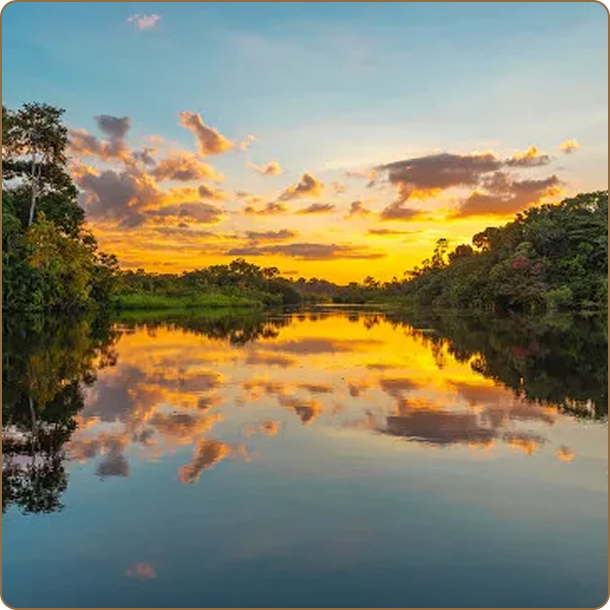
A Floresta Amazônica é a maior floresta do mundo, com a maior concentração de água doce e biodiversidade do planeta.
Mais de um terço de todas as espécies da Terra vivem e se reproduzem na Amazônia.
O Rio Amazonas deságua no Oceano Atlântico, liberando aproximadamente 175 milhões de litros de água por segundo. Isso corresponde a 20% do fluxo combinado de todos os rios do mundo.
A Floresta Amazônica cobre 6,5 milhões de quilômetros quadrados, dos quais 4 milhões estão em território brasileiro.
O IGF atua permanentemente como um facilitador das relações entre povos indígenas, não indígenas e instituições que contribuem para a continuidade do conhecimento tradicional.

Produtores culturais
Educadores
Psicólogos
Antropólogos
Construtores
Arqueólogos
Historiadores
Geógrafos
Advogados
Administradores
Designers
Cineastas
Técnicos de som
Fotógrafos
Diretores de arte
Tradutores
Criadores de conteúdo
Terapeutas
Artistas